


From September 30 to October 1, Sofia hosted the Balkan Endovascular Academy. The high forum united in an extremely attractive program innovations, modern trends and new technological solutions to support the treatment of cardiovascular diseases. At the invitation of prof. Dr. Ivo Petrov, DSc, Chairman and Deputy Chairman of the Association for Stroke and Aphasia took an active part in the program on the first day.
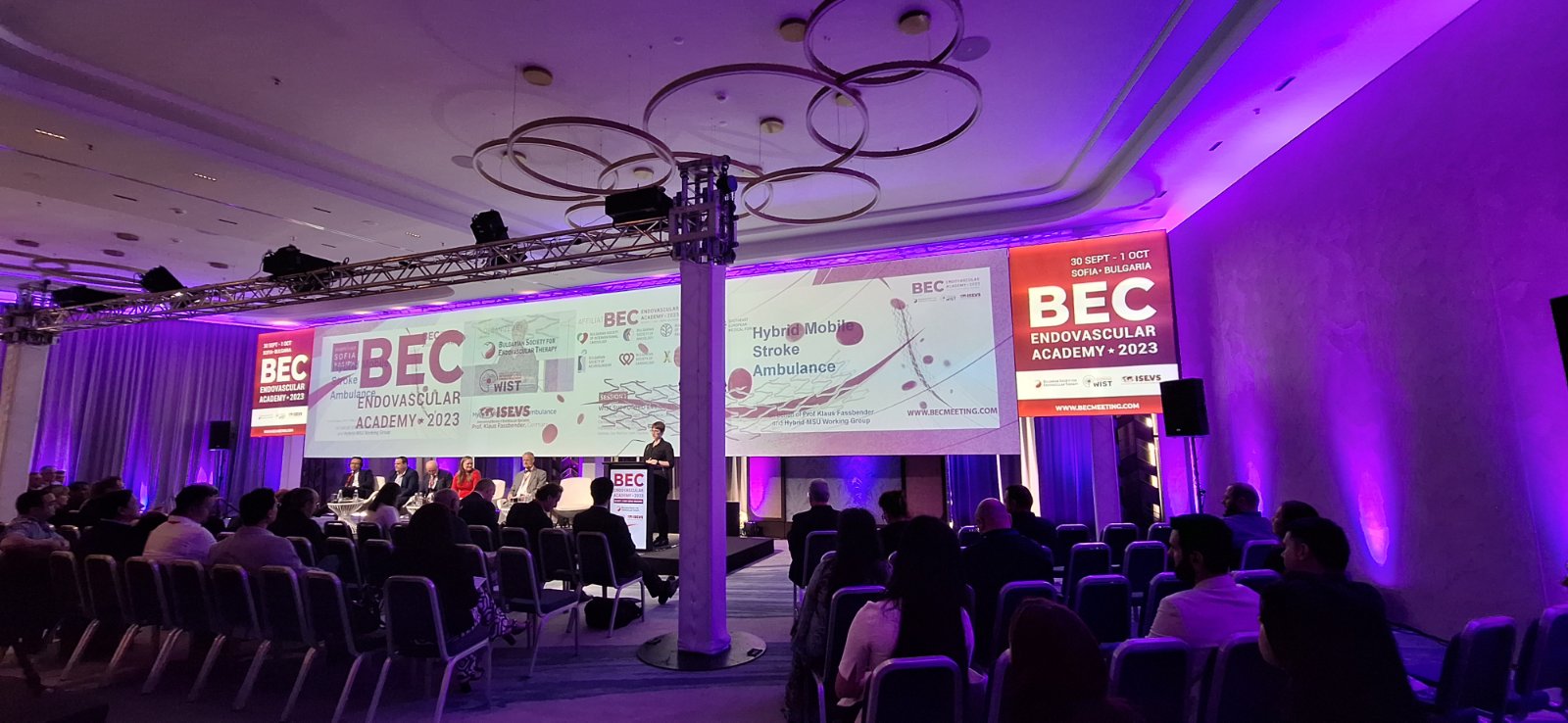
The audience was impressed by the progress of the English ambulance system, which is developing a new hybrid system reanimobiles. In their presentation, the failure of the initial idea of a mobile stroke team to arrive at patients and start fieldwork was taken into account. This initial solution turns out to be extremely resource-intensive and poorly applicable in a real environment. The new approach targeted by emergency specialists in England is related to upgrading the standard equipment with the possibility of express physico-chemical and microbiological laboratory analysis of basic indicators, mobile ultrasound of the latest generation, etc., all of them, united with the capabilities of telemedicine, give a chance for a quick reaction of cardiovascular, respiratory, epileptic, etc. basic severe conditions, increasing the effective work of teams by over 50% (according to initial data).
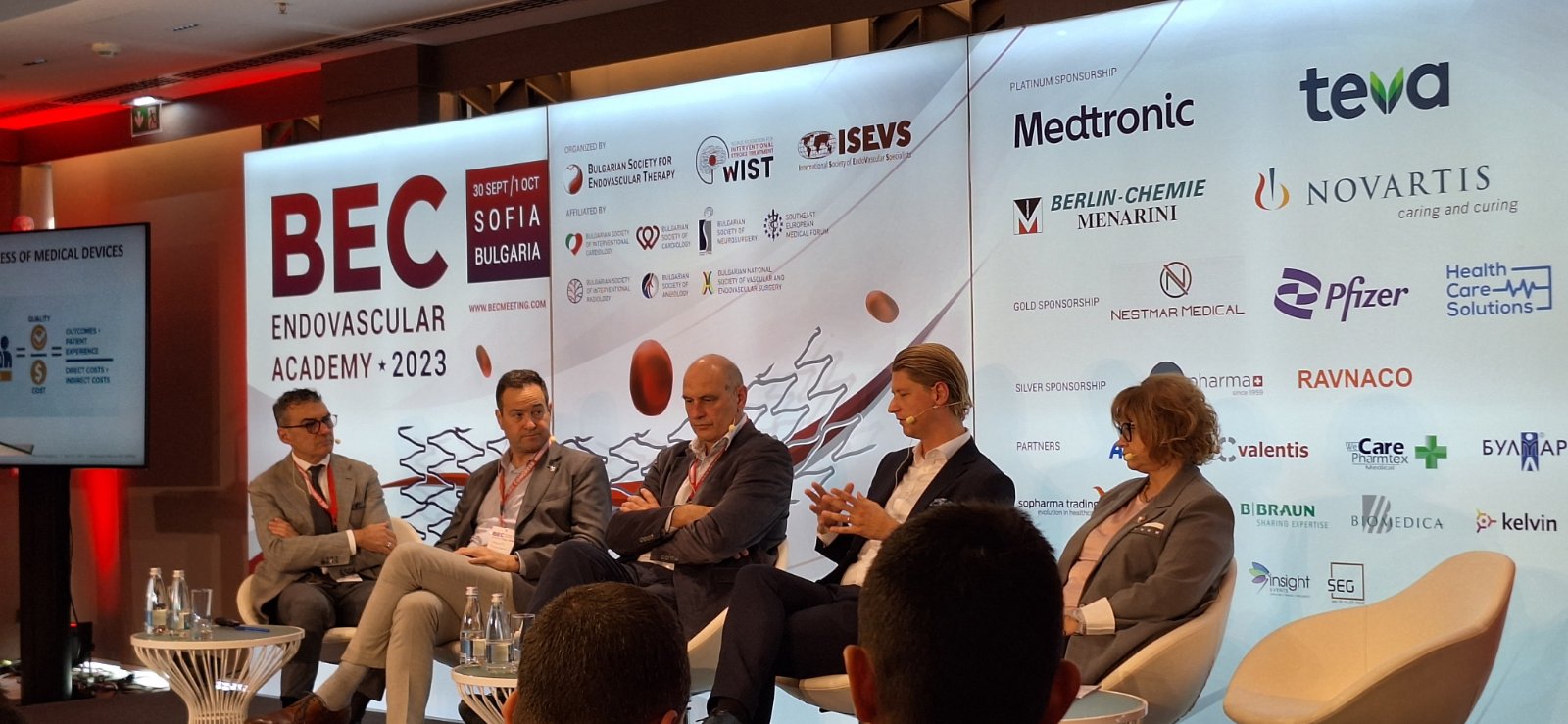
Of particular interest was the discussion on the creation of a European Plan for Cardiovascular Health. This initiative is widely supported by the Bulgarian Society of Cardiology, in the context of the experience of endovascular specialists to support their fellow neurologists in the fight against stroke. The Association for Stroke and Aphasia participates in the informal dialogue, taking into account the efforts of the European Patient Organization to structure clearly and correctly the specifics of stroke in the European Cardiovascular Health Plan. Currently, there is a European plan to combat stroke in more and more European countries. According to the representatives of the Association, this should be the basis on which patient care should be built in the larger context of cardiovascular health.